Sacramento Storm Season Roof Maintenance: A Month-by-Month Calendar
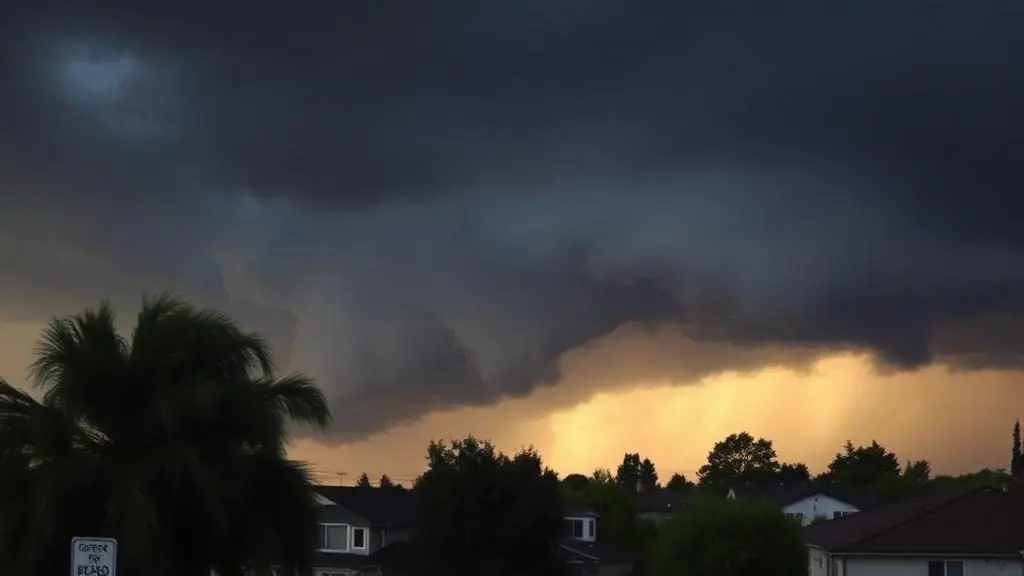
Sacramento doesn't get hurricanes or ice dams. What it gets is a long dry stretch that bakes a roof from May through October, followed by atmospheric rivers between November and March that dump months of rain in a few days. Roofs here fail in the wet season because of what the dry season did to them.
This is the maintenance calendar we give homeowners in Sacramento, Elk Grove, Roseville, and Folsom. Follow it and most storm-season leaks never happen.
Why Sacramento roofs fail in winter, not summer
Summer attic temperatures in the valley routinely pass 140°F. That heat dries out the sealant strips on asphalt shingles, shrinks pipe boot rubber until it cracks, and makes older tile brittle. Nothing leaks in August because nothing is falling on the roof. Then the first real storm arrives with 30–40 mph Delta wind driving rain sideways, and every dried-out seal is a doorway.
The second factor is trees. Valley oaks, sycamores, and liquidambars drop heavy debris from October into December — right as the rain starts. Clogged valleys and gutters back water up under the shingle edge, which is how fascia rot and ceiling stains begin.
September and October: the pre-season window
This is the only stretch where the weather is dry, the days are long, and a roofer isn't buried in emergency calls. Everything on this list is cheaper now than in January.
- Clear gutters, downspouts, and roof valleys of leaves and needles
- Check pipe boots around plumbing vents for cracked or split rubber — this is the single most common leak source in Sacramento
- Look for cracked or slipped tiles, and shingles that have lost their granule coating
- Inspect flashing at chimneys, skylights, and roof-to-wall joints
- Trim branches back at least six feet from the roof surface
- Walk the attic with a flashlight and look for old water stains, daylight, or damp insulation
November and December: first-storm response
After the first soaking storm, go back into the attic during or right after the rain. Wet decking shows up there long before a ceiling stain appears downstairs. Also check that downspouts are actually discharging away from the foundation and not dumping against the stucco.
If wind was involved, walk the yard. Granules in the gutter splash zone or shingle fragments on the lawn mean the roof lost material somewhere.
January and February: peak rain
This is when leaks show. Two rules keep a small problem small:
- Photograph any ceiling stain the day you see it, and mark its edge with a pencil so you can tell whether it's still growing
- Don't wait for the storm to end to make the call. Emergency tarping during the break between systems is far cheaper than replacing soaked drywall, insulation, and framing
Between storms, re-clear gutters. A single windy night can refill them.
March and April: recovery check
Once the rain stops, look for what the winter did: lifted shingles at the ridges, cracked mortar on tile ridges, rusting valley metal, sagging gutters that pulled away under the weight of standing water, and any moss growth on north-facing slopes.
This is also the sensible time to schedule replacement if the roof made it through winter but clearly won't survive another one. Spring and summer scheduling is easier and the work isn't racing weather.
May through August: leave it alone, mostly
Two things matter in the hot months. Attic ventilation — if your attic is stifling and the insulation is thin, heat is aging the roof from underneath, and adding vents is inexpensive. And debris after windy afternoons, since dry leaves in a valley become a wet plug in November.
What a homeowner should not do
Don't walk a wet roof, a tile roof, or a steep roof. Tile cracks under foot traffic in ways that don't show until it rains, and Sacramento's older concrete tile is especially unforgiving. Inspect from the ground with binoculars, from a ladder at the eave, or from inside the attic — and let someone insured handle the rest.
Where we come in
Sacramento Roofing Inc offers a free roof inspection with photo documentation, so you see exactly what's on your roof rather than taking someone's word for it. If the storm already got there first, we handle roof leak repair and emergency tarping, and we clear and repair gutters through gutter services.
We're GAF Master Elite certified, back workmanship for up to 25 years, and offer $0 down financing with zero interest for up to 12 months. Call (916) 579-2575 or request a free inspection before the first storm rather than after it.